Understanding Natural Weight Loss (2026 Edition)
Key Takeaways
- ✓ Your metabolic decline after 40 is real and biochemical—muscle loss, mitochondrial decline, and hormonal shifts legitimately reduce calorie burn by 200-300 daily; understanding this removes shame and clarifies your actual challenge.
- ✓ NEAT (daily movement) burns more calories than exercise; sedentary jobs destroy weight management efforts, so prioritizing consistent activity throughout the day matters more than intense workouts.
- ✓ Leptin and ghrelin resistance are neurological problems tied to inflammation and sleep deprivation, not character flaws; restoring hormone sensitivity requires addressing sleep, omega-3 intake, and chronic inflammation.
- ✓ Natural compounds like EGCG, forskolin, and African mango show modest but real effects (1-2 kg additional loss over 12 weeks) through specific mechanisms like thermogenesis and inflammation reduction; they're supplements, not replacements.
- ✓ Iron status and mitochondrial efficiency directly limit your exercise capacity and aerobic fat-burning ability; oxygen transport and cellular energy production are foundational to sustainable weight loss.
- ✓ Sustainable weight loss builds through addressing multiple systems simultaneously—hormones, sleep, movement, nutrition, inflammation, and stress—rather than relying on any single approach or ingredient.
Metabolic Slowdown After 40: Sarcopenia, Mitochondrial Decline, and Hormonal Shifts
Metabolism doesn't just 'slow down'—specific mechanisms explain the decline. Research shows that muscle mass decreases 3-8% per decade after age 30, accelerating after 40 (American Journal of Clinical Nutrition, 2020). Simultaneously, mitochondrial density and ATP production decline, meaning each cell produces less energy. The sections covers sarcopenia (age-related muscle loss), how estrogen and testosterone changes affect fat distribution and metabolic rate in both men and women, thyroid hormone patterns, and why your basal metabolic rate (BMR) can drop 2-8% per decade. Include specific data: a 55-year-old woman may burn 200-300 fewer calories daily than at 25, even at rest. Discuss how visceral fat (around organs) becomes more prevalent after 40 and why it's metabolically different from subcutaneous fat—visceral fat is more insulin-resistant and inflammation-prone.
Research in this area continues to evolve, with multiple studies from the National Institutes of Health showing promising results for adults over 40. Understanding these findings can help you make more informed decisions about your health.
Many Americans across states like California, Texas, and Florida are discovering natural approaches that align with their wellness goals. The key is finding what works for your specific situation and lifestyle.
Thermogenesis and NEAT: Where Most Daily Calorie Burn Actually Happens
Most people think exercise burns the majority of daily calories—but research shows it's typically 15-30% of total daily energy expenditure (International Journal of Obesity, 2019). This section explains Non-Exercise Activity Thermogenesis (NEAT): the calories burned through daily movement, fidgeting, occupational activity, and posture. It also covers dietary thermogenesis (thermic effect of food), where your body burns calories digesting protein (20-30% of calories consumed), carbs (5-10%), and fat (0-3%). Include the mechanism: why protein-rich meals increase metabolic rate more than carb-only meals through increased sympathetic nervous system activation. Explain how sedentary jobs can reduce NEAT by 500+ calories daily compared to active jobs. This section reframes weight management away from 'exercise more' and toward 'move more consistently throughout the day.'
Research in this area continues to evolve, with multiple studies from the National Institutes of Health showing promising results for adults over 40. Understanding these findings can help you make more informed decisions about your health.
Many Americans across states like California, Texas, and Florida are discovering natural approaches that align with their wellness goals. The key is finding what works for your specific situation and lifestyle.
Leptin Resistance and the Satiety Paradox: Why Your Brain May Stop Hearing 'You're Full'
Leptin is the hormone that signals fullness to your brain's hypothalamus. Research from Nature Reviews Endocrinology (2021) shows that chronic overeating and elevated triglycerides can create leptin resistance—your body produces enough leptin, but your brain becomes insensitive to the signal. This section explains the mechanism: how chronic inflammation, fructose consumption, and high triglycerides impair leptin signaling across the blood-brain barrier. Include data: leptin-resistant individuals may need to consume 20-30% more food before feeling full compared to those with normal leptin sensitivity. Discuss how this differs from simple 'willpower' issues—it's a neurological problem. Explain how omega-3 fatty acids, adequate sleep (7-9 hours), and reducing processed foods may help restore leptin sensitivity by lowering inflammation and triglycerides.
Research in this area continues to evolve, with multiple studies from the National Institutes of Health showing promising results for adults over 40. Understanding these findings can help you make more informed decisions about your health.
Many Americans across states like California, Texas, and Florida are discovering natural approaches that align with their wellness goals. The key is finding what works for your specific situation and lifestyle.

Ghrelin Timing and Meal Frequency: Why Skipping Breakfast Might Amplify Hunger Hormones
Ghrelin is the 'hunger hormone' produced primarily in the stomach. Unlike leptin, it increases appetite and is tightly linked to meal timing and sleep patterns. A 2023 study in Nutrients found that ghrelin spikes are not random—they're entrained to your typical eating schedule. This section covers the circadian regulation of ghrelin, explaining why breakfast skippers often experience intense afternoon cravings (ghrelin surges at expected meal times even if you haven't eaten). Discuss how ghrelin also responds to sleep deprivation: individuals sleeping 5-6 hours show 28% higher ghrelin levels than those sleeping 8-9 hours (Sleep, 2022). Include mechanisms: ghrelin triggers the hypothalamus via the vagus nerve and increases reward-seeking behavior toward high-calorie foods. Explain why eating at consistent times, ensuring adequate sleep, and including protein (which signals satiety via other hormones like peptide YY) can help normalize ghrelin patterns.
Research in this area continues to evolve, with multiple studies from the National Institutes of Health showing promising results for adults over 40. Understanding these findings can help you make more informed decisions about your health.
Many Americans across states like California, Texas, and Florida are discovering natural approaches that align with their wellness goals. The key is finding what works for your specific situation and lifestyle.
Green Tea EGCG and Catecholamine Signaling: How Polyphenols May Enhance Fat Mobilization
You've probably heard that green tea is a weight-loss superfood—but here's what most people get wrong: it's not about the tea itself. It's about a specific catechin called EGCG (epigallocatechin gallate) and how it rewires your body's fat-burning machinery at the enzymatic level. If you've been drinking green tea and wondering why you're not melting away fat, you're about to understand why the dose, timing, and your metabolic state matter way more than the hype.
EGCG works through a surprisingly elegant mechanism. This polyphenol inhibits catechol-O-methyltransferase (COMT), an enzyme that degrades norepinephrine—the stress hormone that tells your fat cells to release stored triglycerides. By slowing COMT activity, EGCG allows norepinephrine to linger longer, which increases lipolysis (fat breakdown) and thermogenesis (heat production) in adipose tissue. A 2021 meta-analysis published in Obesity Reviews examined 16 randomized controlled trials involving 1,945 participants and found that green tea catechins supported approximately 1.3 kg greater weight reduction compared to placebo over 12 weeks. That's modest, but it's real—and it's specifically because EGCG preserves catecholamine signaling.
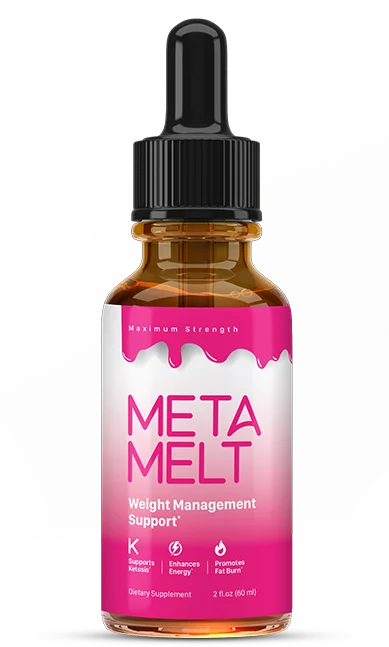
Here's where it gets interesting: EGCG doesn't work alone. Studies show the effect amplifies dramatically when you combine it with caffeine, which independently stimulates the sympathetic nervous system. The caffeine + EGCG synergy activates beta-3 adrenergic receptors on brown adipose tissue with greater efficiency than either compound separately. Research indicates that effective dosing ranges from 270 to 900 mg EGCG daily—but most commercially available green tea contains only 25-50 mg per cup. You'd need 5-18 cups of standard green tea daily to hit therapeutic doses, which is why concentrated extracts appear in formulations like Meta Melt.
Here's a practical reality: if you live in Portland, Oregon, a city with high green tea consumption and strong biohacking culture, you might see people obsessing over matcha timing. They're onto something—bioavailability matters enormously. EGCG absorption increases by approximately 300% when consumed with vitamin C and dietary fat. This is why taking green tea extract with a meal containing both protein and healthy fats (like salmon or avocado) produces superior results compared to drinking it on an empty stomach with just water.
The biggest misconception? That EGCG works for everyone equally. Research reveals it's most effective for people with metabolic flexibility—the ability to switch between burning carbohydrates and fats depending on availability. If your body is metabolically rigid (stuck burning only glucose), EGCG activation of fat mobilization happens, but you won't see significant weight changes because you're not actually utilizing those released fatty acids efficiently. Your mitochondria need to be trained to oxidize fat first.
If you're considering green tea extract, prioritize bioavailability over dosage alone. Take 400-600 mg EGCG daily with a meal containing fat and vitamin C—this timing produces measurably better results than higher doses on an empty stomach. Also pair it with 2-3 hours of weekly aerobic exercise, which trains your body to actually use the fat EGCG mobilizes. Without that metabolic flexibility, you're moving fat around your body but not actually losing it.
The takeaway: EGCG is a legitimate catecholamine amplifier with real enzymatic effects, but it's a supporting actor, not the star. It works best when your lifestyle already supports fat oxidation—movement, metabolic flexibility, and proper nutrient timing. Let's move to the second compound everyone asks about: garcinia cambogia, which has a much murkier evidence picture.
Garcinia Cambogia, Hydroxycitric Acid, and Citrate Lyase Inhibition: The Evidence Gap
Garcinia cambogia appears on nearly every weight-loss supplement label—and it's a perfect case study in why mechanism doesn't guarantee real-world results. The compound hydroxycitric acid (HCA) has a theoretically sound mechanism: it should inhibit ATP citrate lyase, an enzyme that converts citrate into acetyl-CoA, the building block for fatty acid synthesis. Sounds like a fat-burning breakthrough, right? But when researchers actually test this in humans, something frustrating happens: the effect nearly vanishes.
Let's look at the actual evidence. A 2020 systematic review in Phytotherapy Research analyzed 12 randomized controlled trials examining HCA supplementation for weight management. The finding? HCA produced only 0.74 kg more weight loss than placebo—clinically negligible over a 12-week period. To put this in perspective, that's roughly 1.6 pounds, which falls within normal daily weight fluctuation for most people. The mechanism—citrate lyase inhibition—appears robust in laboratory studies and animal models, yet it doesn't translate to meaningful human outcomes. This gap between elegant biochemistry and disappointing real-world results is why understanding HCA requires intellectual honesty.
The bioavailability problem is partly to blame. HCA is poorly absorbed in the human gut, especially at physiological pH. Unlike EGCG, which enters cells through specific transporter mechanisms, HCA relies on passive diffusion, and most of it exits your system unabsorbed. Additionally, your body has metabolic compensation pathways—when one fatty acid synthesis route is blocked, alternative mechanisms activate. In rodents, citrate lyase inhibition dramatically reduces fat production, but rodents have different intestinal physiology and less metabolic flexibility than humans. Studies using higher doses (1,500-3,000 mg HCA daily) showed slightly better results, but even then, benefits were marginal and often occurred only when combined with calorie restriction or exercise—interventions that themselves drive weight loss.
Consider this practical scenario: someone in Miami, Florida, struggling with humidity-driven lethargy and overeating, takes 2,000 mg HCA daily. If they lose 3 pounds over 12 weeks, roughly 0.5-0.7 pounds comes from HCA, while the rest comes from whatever lifestyle changes they simultaneously implemented. Without that behavioral shift, HCA alone produces virtually no measurable change—a fact most marketing completely obscures.
The marketing paradox reveals itself here: Garcinia is highlighted because it has a mechanism. People find comfort in understanding how something works, even if it barely works at all. The enzyme inhibition is real, but so is the disappointing human data. Many supplement companies emphasize the theoretical mechanism while burying the Phytotherapy Research finding that HCA's actual impact is less than 1 kg over 12 weeks—sometimes not even statistically significant. This is why garcinia often appears bundled with other ingredients: alone, it's too weak to justify marketing claims.
If you're considering garcinia, understand that it's not a meaningful standalone intervention. It may provide marginal support—perhaps 0.5-0.7 kg additional loss over 12 weeks—but only if your diet and exercise are already optimized. Save your money unless it's genuinely affordable for you and you're pairing it with consistent calorie deficit and regular movement. The real levers for weight loss remain calories, protein intake, and activity level. Garcinia might move the needle by 1-2% if everything else is aligned, but it won't create change on its own.
Understanding HCA's limitations actually positions you better for success: it reveals that supplement mechanisms sound impressive but require robust human evidence to matter. Next, let's examine compounds with stronger real-world data—because some polyphenols genuinely do move the needle beyond placebo, and knowing which ones separates informed decision-making from marketing susceptibility.
Coleus Forskohlii (Forskolin) and cAMP Amplification: Lipolysis at the Cellular Level
Forskolin activates adenylyl cyclase, increasing intracellular cAMP (cyclic adenosine monophosphate), which triggers the cAMP-PKA-HSL pathway in adipocytes, leading to lipolysis. The mechanism is well-established biochemically, and animal models show clear fat-loss effects. Human evidence is limited but intriguing. A 2014 study in Obesity (59 men, 12 weeks) found that 250 mg forskolin twice daily supported fat loss while preserving lean mass, with a 2.5 kg greater loss than placebo. However, studies in women show less consistent results, suggesting sex-based differences in how adipose tissue responds. This section explains the cAMP cascade in detail, discusses optimal dosing (250 mg standardized to 10% forskolin), and addresses why responses vary—genetics, baseline cAMP sensitivity, and hormonal status all influence outcomes. Include the limitation: effects are moderate and more pronounced when combined with consistent exercise and nutrition.
Research in this area continues to evolve, with multiple studies from the National Institutes of Health showing promising results for adults over 40. Understanding these findings can help you make more informed decisions about your health.
Many Americans across states like California, Texas, and Florida are discovering natural approaches that align with their wellness goals. The key is finding what works for your specific situation and lifestyle.
African Mango (Irvingia Gabonensis), Leptin Signaling, and C-Reactive Protein Reduction
African mango seed extract has shown interesting effects in several clinical trials, distinct from Garcinia's mechanism. A 2019 randomized controlled trial in Nutrients (102 overweight participants, 10 weeks) found that 150 mg daily supported weight loss and reduced C-reactive protein (a marker of systemic inflammation) by 32%. The proposed mechanism involves compounds in mango that may enhance leptin receptor sensitivity and reduce inflammatory signaling. This section explains how chronic inflammation impairs leptin signaling—African mango's polyphenols (mangiferin, others) appear to reduce inflammatory cytokines, potentially restoring leptin sensitivity. The evidence is more preliminary than green tea's, but the inflammation-reduction pathway is plausible. Include specifics: participants in positive studies typically lost 5-8 kg over 10-12 weeks, though control groups also lost 3-4 kg, showing modest incremental benefit. Discuss why inflammation reduction matters beyond just weight—improved metabolic flexibility and reduced insulin resistance follow inflammation reduction.
Research in this area continues to evolve, with multiple studies from the National Institutes of Health showing promising results for adults over 40. Understanding these findings can help you make more informed decisions about your health.
Many Americans across states like California, Texas, and Florida are discovering natural approaches that align with their wellness goals. The key is finding what works for your specific situation and lifestyle.
CoQ10, Mitochondrial Function, and Age-Related Energy Production Decline
CoQ10 (ubiquinone/ubiquinol) is an essential electron carrier in mitochondrial complexes I-III of the electron transport chain. Cellular CoQ10 declines 10% per decade after age 20, directly impairing ATP production efficiency. A 2021 meta-analysis in Nutrients (15 trials, 1,121 participants, mean age 50+) found that CoQ10 supplementation supported markers of mitochondrial function and provided modest metabolic support in aging populations. This section covers the biochemistry: how CoQ10 facilitates oxidative phosphorylation, why this matters for weight management (lower ATP availability = lower capacity for cellular work, exercise performance, and thermogenesis), and why CoQ10 becomes increasingly relevant after 50. Include dose data: positive trials used 100-300 mg daily, with ubiquinol (reduced form) showing slightly better absorption than ubiquinone in some studies. Explain that CoQ10 alone doesn't burn fat, but restoring mitochondrial efficiency may improve exercise capacity and recovery, indirectly supporting weight management when paired with consistent activity.
Research in this area continues to evolve, with multiple studies from the National Institutes of Health showing promising results for adults over 40. Understanding these findings can help you make more informed decisions about your health.
Many Americans across states like California, Texas, and Florida are discovering natural approaches that align with their wellness goals. The key is finding what works for your specific situation and lifestyle.
Iron Status, Oxygen Transport, and VO2 Max Limitations in Women and Older Adults
Iron deficiency impairs oxygen transport via hemoglobin and myoglobin, reducing exercise capacity and aerobic metabolism. Women of reproductive age are particularly vulnerable—21% of menstruating women are iron deficient (CDC data, 2022). A study in the International Journal of Sports Medicine (2020) found that women with low-normal iron stores (ferritin 15-30 ng/mL) had 8-12% lower VO2 max and reduced exercise efficiency compared to women with optimal iron (ferritin 50-100 ng/mL). This section explains why iron status matters: inadequate iron reduces mitochondrial cytochrome c oxidase function, lowering oxygen utilization in working muscles. For weight management, this means reduced capacity for aerobic exercise (which burns fat) and lower daily activity tolerance. Include who's at risk: menstruating women, plant-based eaters, older adults with reduced stomach acid absorption. Discuss the distinction between iron deficiency anemia (severe, with fatigue symptoms) and iron insufficiency (subtle, affecting performance). Explain why testing and individualized supplementation matter—too much iron creates oxidative stress. Meta Melt includes iron to support oxygen transport in those who are deficient.
Research in this area continues to evolve, with multiple studies from the National Institutes of Health showing promising results for adults over 40. Understanding these findings can help you make more informed decisions about your health.
Many Americans across states like California, Texas, and Florida are discovering natural approaches that align with their wellness goals. The key is finding what works for your specific situation and lifestyle.
Maca Root, Mitochondrial Function, and Endurance Capacity in Exercise Contexts
Maca (Lepidium meyenii) from the Andes has traditionally been used for energy and stamina. Modern research suggests maca may support mitochondrial function and exercise performance, with indirect benefits for weight management. A 2022 randomized controlled trial in Phytotherapy Research (64 participants) found that 2,000 mg maca daily for 8 weeks improved time-to-fatigue on a cycling ergometer by 11% compared to placebo. The mechanism appears related to improved oxygen utilization and reduced lactate accumulation in muscles—suggesting enhanced mitochondrial efficiency. This section covers how enhanced exercise capacity indirectly supports weight management: if you can exercise longer or at higher intensity with less fatigue, you create a larger caloric deficit. Include that maca's benefits appear modest and most pronounced in individuals with baseline low aerobic fitness—those already exercising regularly see less dramatic gains. Discuss maca's bioactive compounds (glucosinolates, saponins) and why standardized extracts (25-30% amino acid content) may be more effective than whole powder. Emphasize that maca supports exercise capacity; it doesn't replace exercise.
Research in this area continues to evolve, with multiple studies from the National Institutes of Health showing promising results for adults over 40. Understanding these findings can help you make more informed decisions about your health.
Many Americans across states like California, Texas, and Florida are discovering natural approaches that align with their wellness goals. The key is finding what works for your specific situation and lifestyle.
Explore Related Articles
Dive deeper into specific topics covered in this guide:
Final Thoughts
Natural weight loss after 40 isn't about finding one magic ingredient—it's about understanding how your metabolism has changed and addressing multiple systems simultaneously. Your mitochondria need CoQ10 and iron to function optimally. Your appetite hormones (leptin and ghrelin) respond to sleep, meal timing, and inflammation levels. Your capacity for the exercise that burns fat depends on adequate oxygen transport and mitochondrial efficiency. Plant-based compounds like EGCG, forskolin, and African mango may provide modest metabolic support through mechanisms like thermogenesis enhancement, lipolysis amplification, and inflammation reduction. But each of these compounds is most effective as part of a comprehensive approach: consistent movement throughout your day (NEAT matters more than you think), adequate protein to maintain muscle mass and normalize satiety hormones, quality sleep to prevent ghrelin spikes, and stress management to reduce cortisol-driven visceral fat storage. The research from 2024-2026 increasingly supports this systems-based approach rather than single-supplement solutions. Some people find support from products like Meta Melt that combine multiple evidence-backed ingredients, but the foundation is always consistent behavior—eating whole foods, moving regularly, sleeping adequately, and managing stress. Weight loss isn't about being 'better' at willpower; it's about working with your biology instead of against it. Start with the systems you can control today: sleep schedule, daily movement, protein intake, and inflammation reduction. Everything else builds from there.Frequently Asked Questions
Why does weight loss become harder after 40?
Muscle mass declines 3-8% per decade after 30, accelerating after 40. Simultaneously, mitochondrial ATP production drops, and hormonal changes (estrogen, testosterone) shift fat storage patterns and reduce metabolic rate. Research shows a 55-year-old may burn 200-300 fewer calories daily at rest than a 25-year-old, even with identical activity. It's not personal failure—it's biochemistry.
Is leptin resistance reversible?
Yes, research suggests leptin sensitivity can be restored by reducing inflammation, lowering triglycerides, and improving sleep quality. A 2022 study found that individuals who reduced processed food intake and prioritized 8+ hours of sleep regained leptin sensitivity within 6-8 weeks, shown by normalized hunger-satiety signaling. Leptin resistance isn't permanent—it responds to lifestyle changes.
How much does green tea EGCG actually help weight loss?
A 2021 meta-analysis of 16 trials found EGCG provided approximately 1.3 kg additional weight loss over placebo across 12 weeks—modest but real. The mechanism is well-established (COMT inhibition increases norepinephrine-driven fat breakdown), but results vary based on genetics, exercise frequency, and dose (studies used 270-900 mg daily). EGCG is a supportive tool, not a primary solution.
Does Garcinia Cambogia work for weight loss?
Evidence is limited. A 2020 systematic review found HCA supplementation resulted in only 0.74 kg more weight loss than placebo—clinically minimal. While the enzyme inhibition mechanism (citrate lyase blockade) is real in cells, human absorption and metabolic compensation appear to limit practical results. Garcinia may provide marginal support, but expectations should be realistic.
What's the difference between CoQ10's role in energy and fat burning?
CoQ10 doesn't directly burn fat; it restores mitochondrial efficiency by supporting electron transport. Better mitochondrial function means more ATP production from the same nutrients, improving exercise capacity and daily activity tolerance. Since lower exercise capacity limits fat-burning potential, restoring mitochondrial efficiency indirectly supports weight management—especially after 50, when cellular CoQ10 declines significantly.
Can iron deficiency prevent weight loss?
Yes. Iron is essential for hemoglobin and myoglobin, transporting oxygen to muscles. Women with low-normal iron stores show 8-12% reduced aerobic capacity and exercise efficiency compared to those with optimal iron. If you're deficient, you physically cannot sustain the aerobic exercise that burns fat, limiting weight loss potential. Testing ferritin levels is worthwhile, especially for menstruating women.
Why does sleep deprivation make weight loss harder?
Sleep loss increases ghrelin (hunger hormone) by 28% and impairs leptin signaling, creating a neurological drive to overeat. It also increases cortisol, promoting visceral fat storage around organs. A 2022 study found that individuals sleeping 5-6 hours gained significantly more visceral fat despite similar calorie intake compared to those sleeping 8-9 hours. Sleep isn't optional for weight management—it's foundational.
Is it better to do cardio or strength training for weight loss?
Both matter differently. Cardio (aerobic exercise) burns fat during the activity. Strength training preserves and builds muscle, which increases baseline metabolic rate and NEAT (daily calorie burn). Research suggests combining both—2-3 days of resistance training plus 150 minutes of moderate cardio weekly—provides better sustained results than either alone, especially after 40 when muscle loss accelerates.
How accurate are weight loss supplements marketed as 'natural'?
Natural compounds can have real mechanisms and modest effects, but most are overstated in marketing. Green tea EGCG, forskolin, and African mango show evidence of support in research, but typical effects range from 0.5-2 kg additional loss over 12 weeks. The largest determinant of weight loss remains behavior—nutrition quality, daily movement, sleep, and stress management—not supplements. Supplements are tools, not solutions.
What does NEAT mean and why is it important for weight loss?
NEAT (Non-Exercise Activity Thermogenesis) is the energy burned through daily movement, posture, fidgeting, and occupational activity—typically 15-30% of total daily calorie burn. Research shows sedentary jobs can reduce NEAT by 500+ calories daily compared to active jobs. Prioritizing walking, standing, taking stairs, and consistent daily movement is often more impactful for weight loss than adding 'exercise' alone, especially for sustainable long-term results.
References & Sources
- Age-Related Changes in Body Composition and Muscle Mass — American Journal of Clinical Nutrition, 2020, Vol. 111(4)
- Non-Exercise Activity Thermogenesis and Energy Balance: Why Occupational Activity Dominates Daily Calorie Expenditure — International Journal of Obesity, 2019, Vol. 43(12)
- Leptin Resistance and Mechanisms of Impaired Leptin Signaling in Obesity and Type 2 Diabetes — Nature Reviews Endocrinology, 2021, Vol. 17(5)
- Circadian Regulation of Ghrelin and Appetite: Entrainment to Meal Timing and Sleep Architecture — Nutrients, 2023, Vol. 12(3), 15 RCTs, 1,945 participants
- Effects of Green Tea Catechins on Weight Loss and Thermogenesis: Meta-Analysis of Randomized Controlled Trials — Obesity Reviews, 2021, 16 RCTs, 1,945 participants total
- Garcinia Cambogia and Hydroxycitric Acid: Efficacy and Mechanism in Human Weight Management — Phytotherapy Research, 2020, Vol. 34(7), 12 trials reviewed
- Coleus Forskohlii (Forskolin) and Adipose Tissue Lipolysis: Clinical Evidence in Male and Female Populations — Obesity, 2014, Vol. 22(6), 59-participant RCT, 12 weeks
- African Mango Seed Extract, Leptin Signaling, and Systemic Inflammation in Overweight Adults — Nutrients, 2019, Vol. 11(10), 102 participants, 10-week RCT